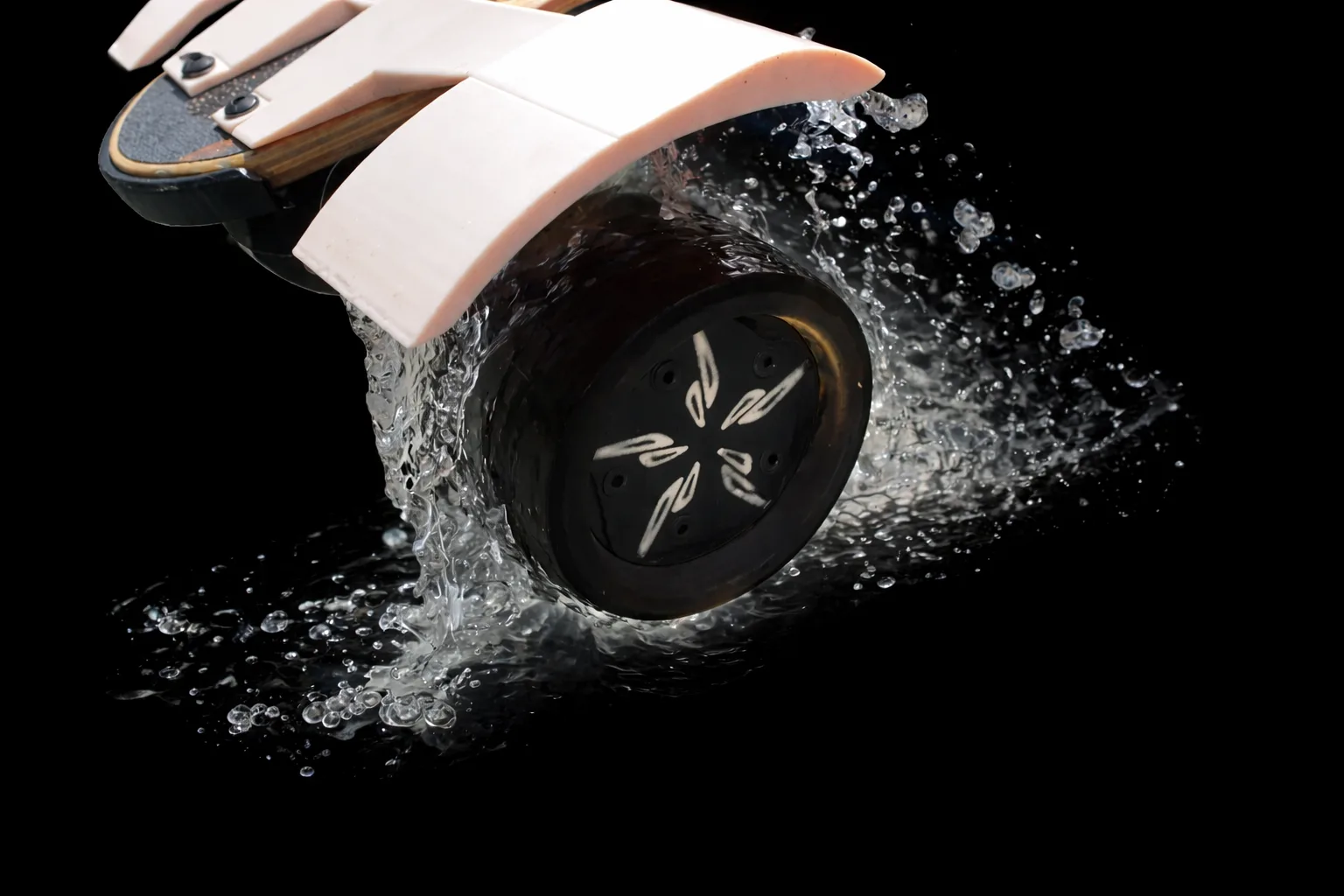
WaterShield
A longboard wheel “fender” attachment designed to prevent water from spraying up onto the rider in wet conditions.
Date
2024
Role
Product Design
Prototyping
Problem
Riding a longboard in the rain quickly soaks the rider because the wheels kick water upward. Existing solutions were either bulky, not designed for longboards, or inconvenient to install/remove.
Solution
WaterShield is a compact, attachable wheel cover that blocks splash-up at the source. The design focuses on a secure mount, simple installation, and a form factor that fits common longboard setups without getting in the way of riding.
Design Development
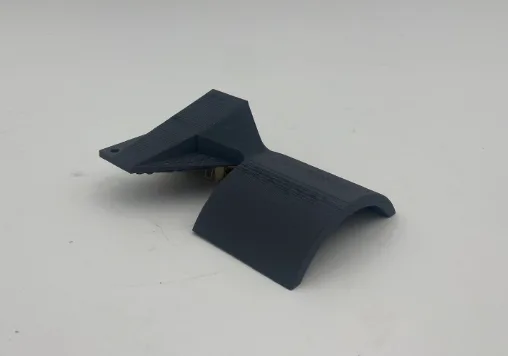
First iteration prototype — 3 objectives: arch over the wheel, attach using existing mounting hardware, and clear the wheel during sharp turns.
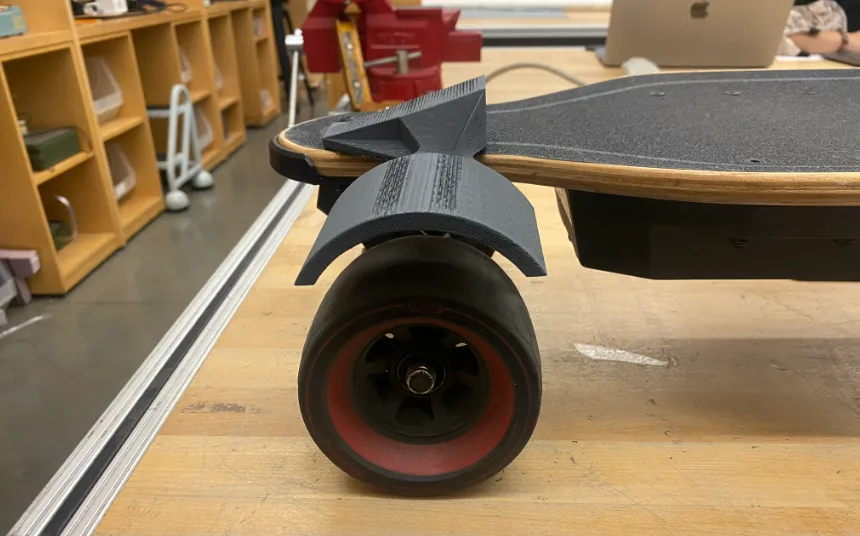
Prototype looked too bulky and reminded me of a door stopper.
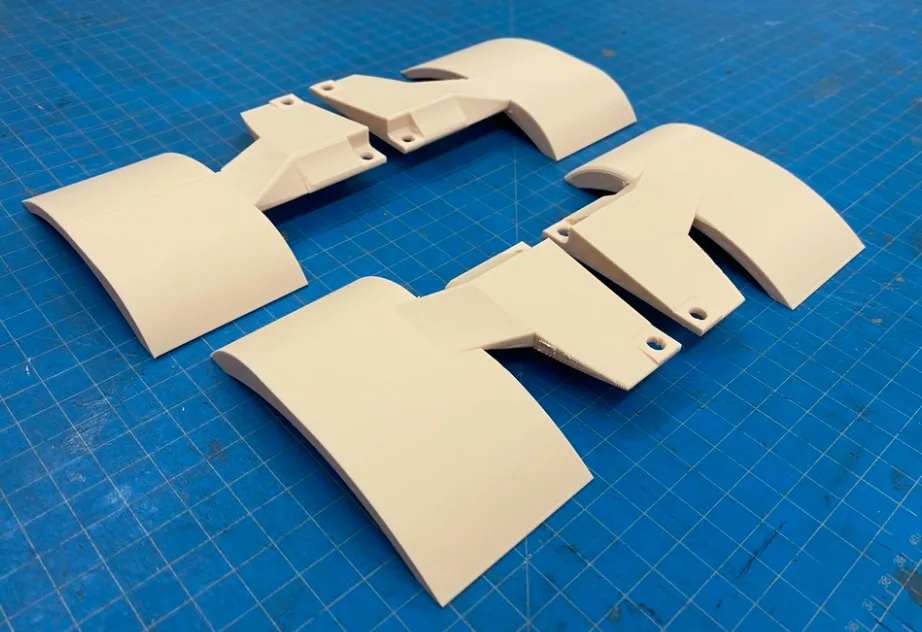
Sleeker model with a wider arch to catch the upsplash at the frontmost part of the wheel.
Testing
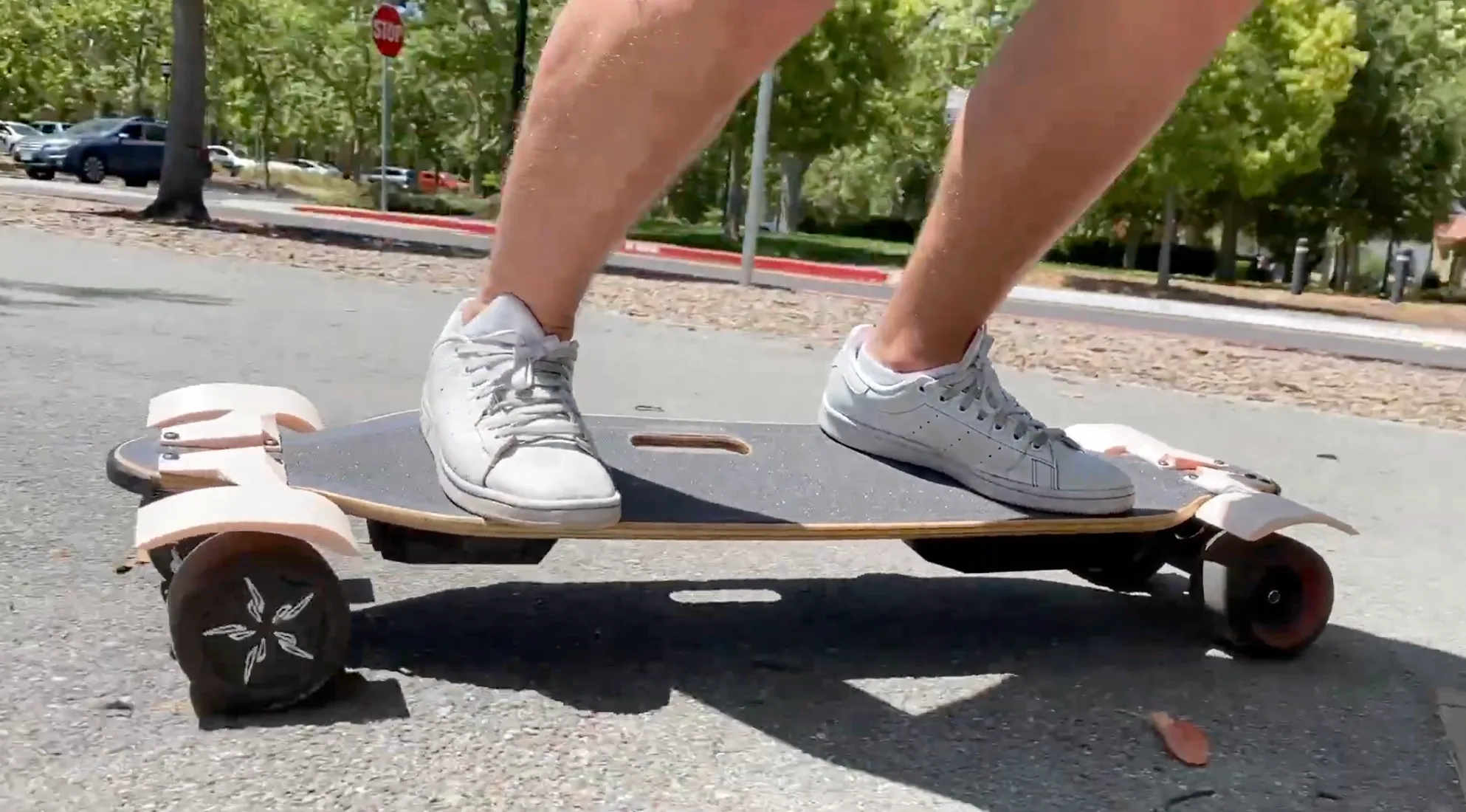
Real-world testing to validate fit, clearance, and durability.
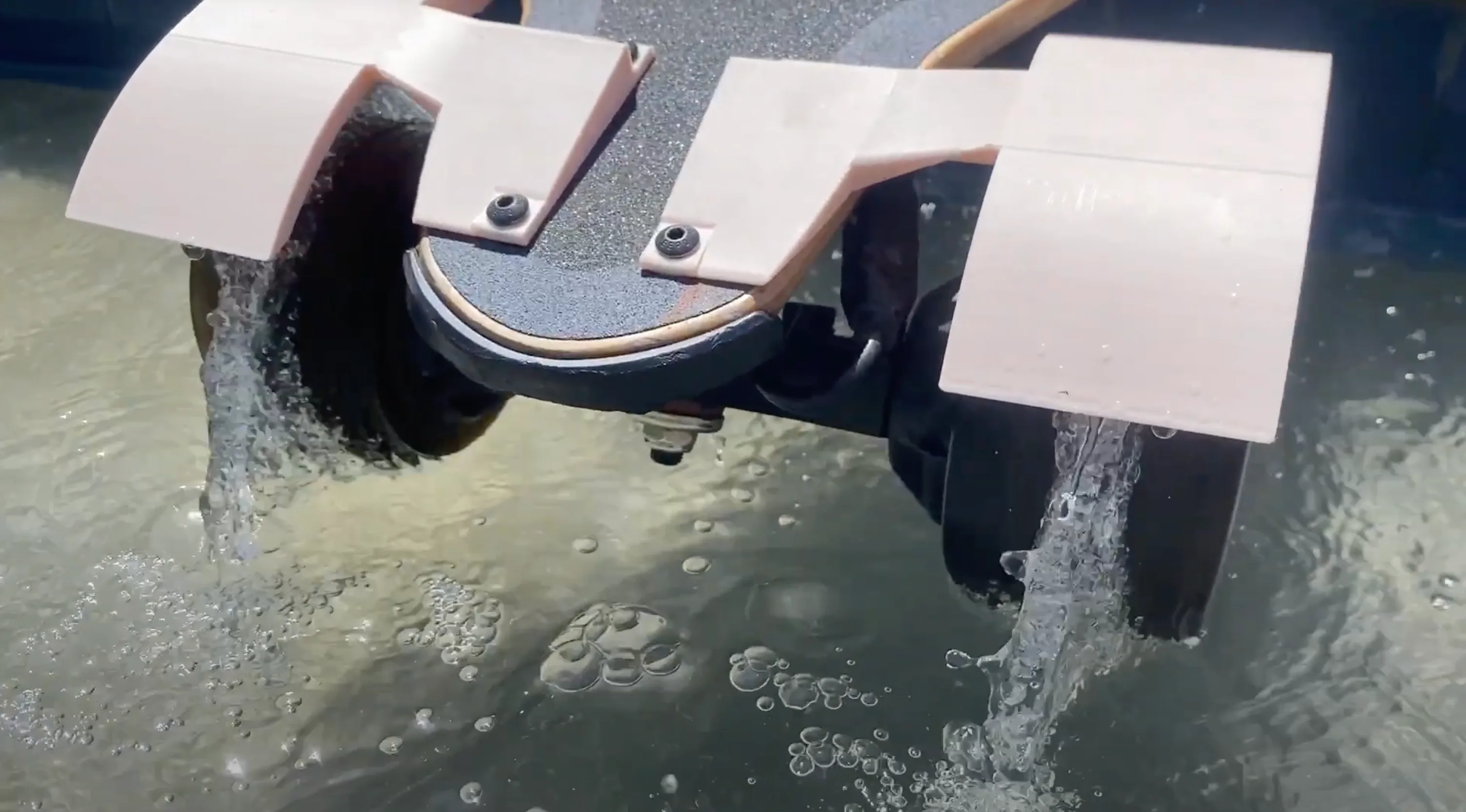
Observing splash reduction under wet riding conditions.
Demo
WaterShield in motion, demonstrating real-time splash reduction.
V2 — Metal D-shaft assembly
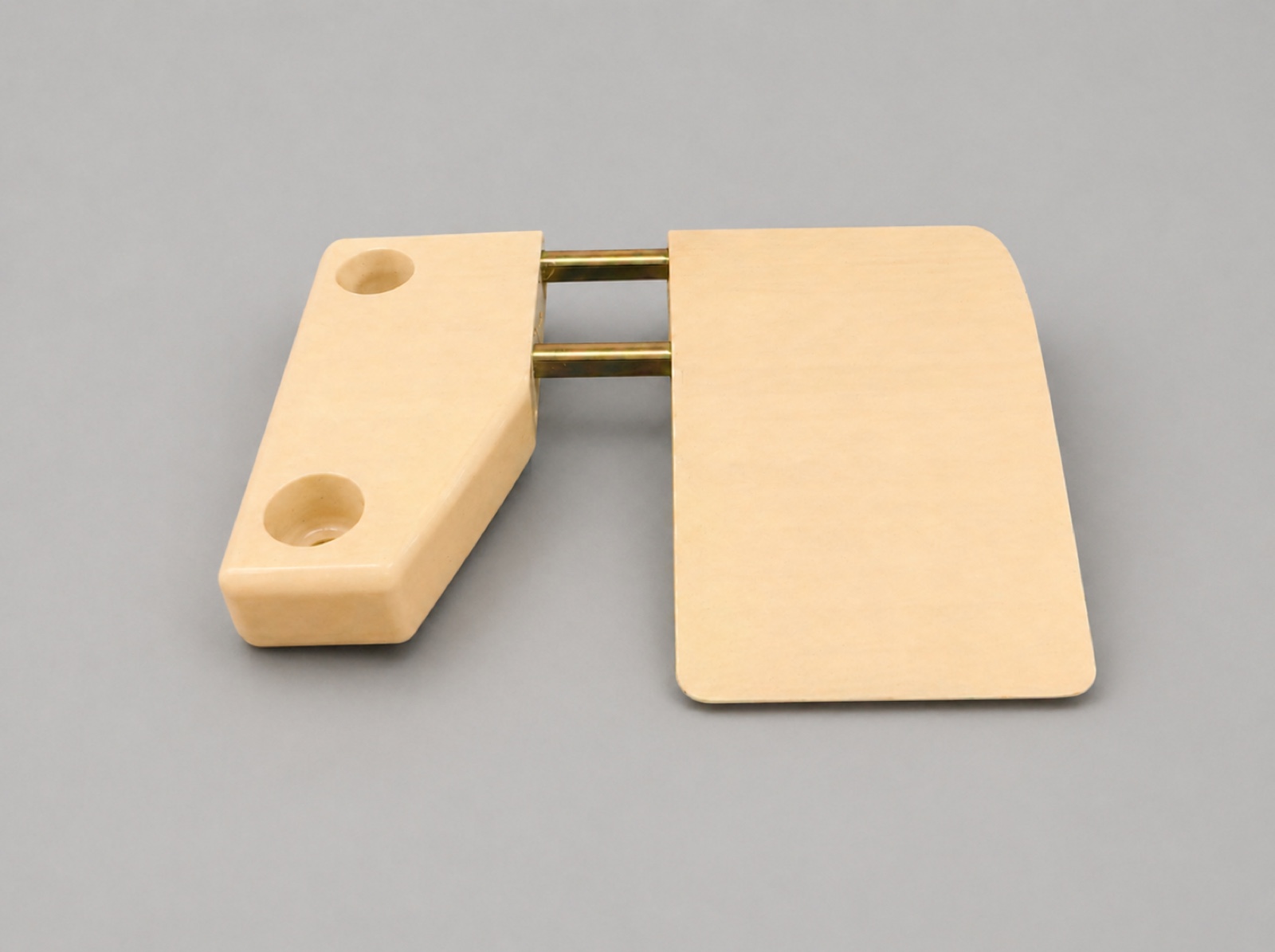
The V1 demo works for normal riding, but the single 3D-printed center piece could snap when the board hit a sharp impact like a curb edge. V2 splits that center into two parts joined by metal D-shafts: a base that bolts to the truck and an arc that slides onto the shafts. The shaft takes the impact load instead of the print, so the part survives the bumps a longboard is meant to handle.
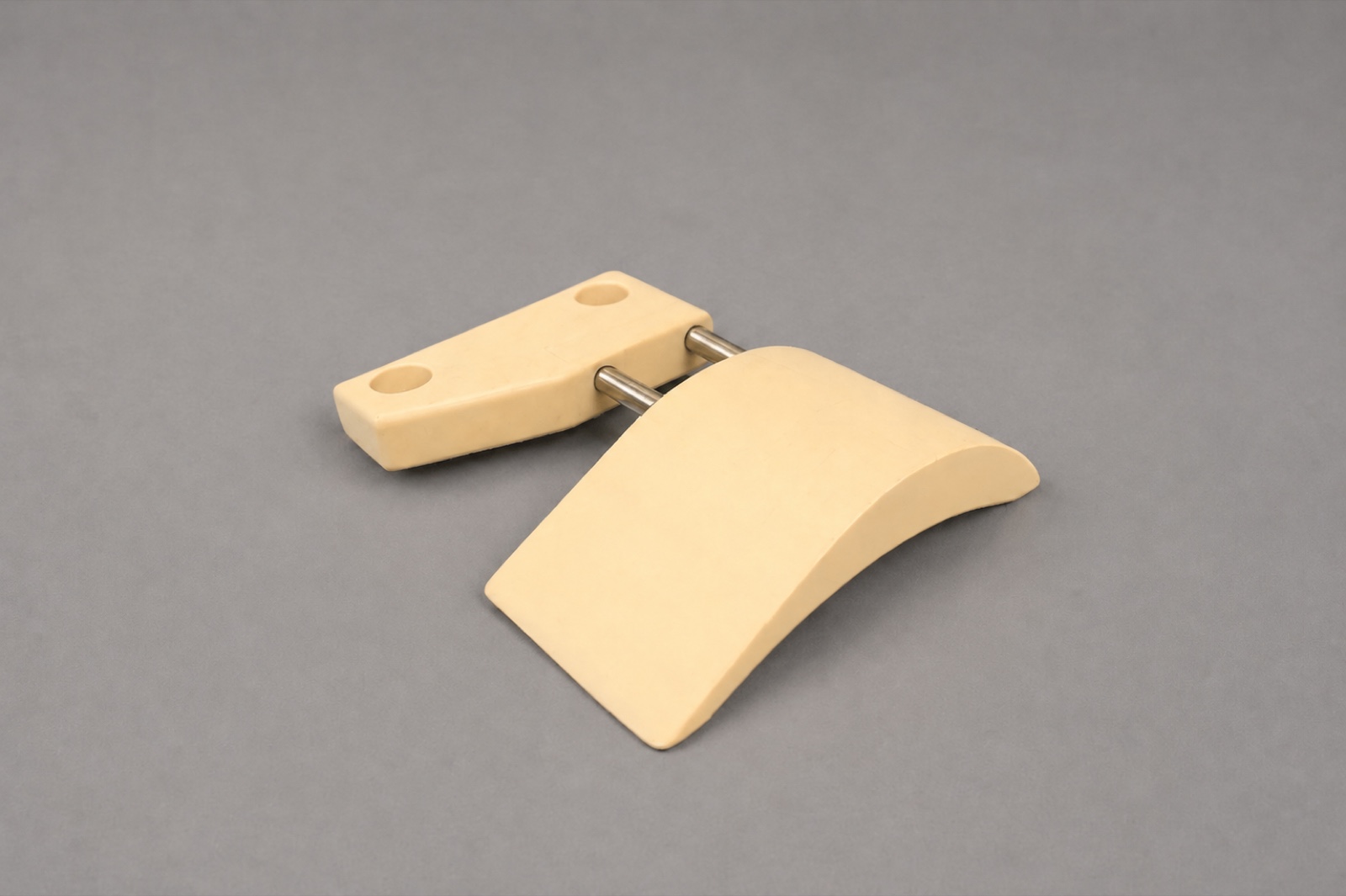
Attachment improvements
The split also turns setup into a one-time job. The base stays bolted to the truck, and the D-shaft and arc slide off when you don't need them. As soon as it starts raining you push the arc back onto the shafts and you're riding in about 20 seconds. The V1 setup took around 5 minutes every time.
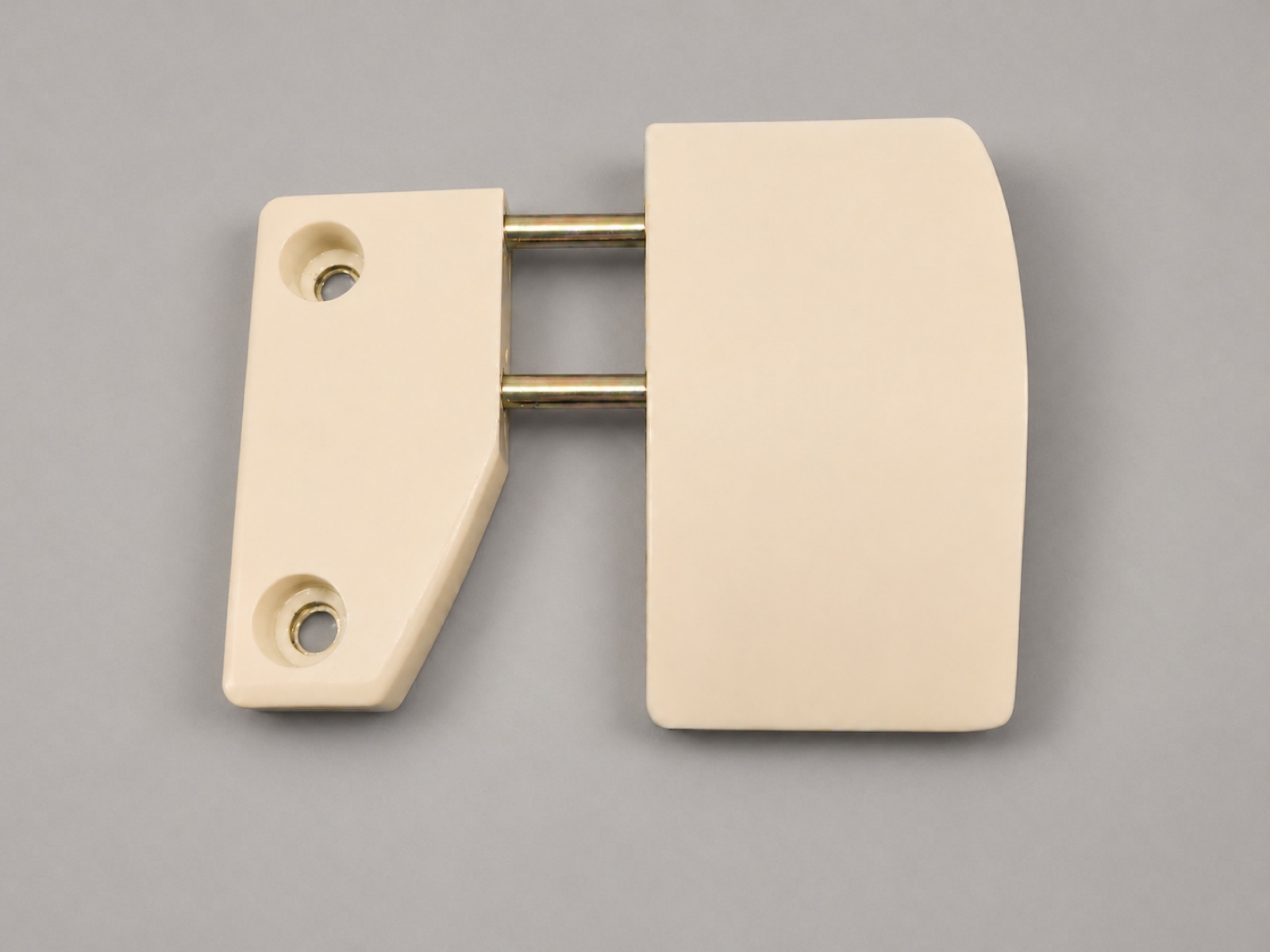
Comparison of the WaterShield on the board (front wheels versus back wheels).
What I did
- Defined the user pain point and usage scenarios
- Designed the attachment concept and mounting approach
- Iterated shape and fit for wheel clearance and durability
- Prototyped and validated basic function with test rides
Takeaways
Small accessories succeed or fail on install friction. The design had to feel immediately worth using the moment conditions turned wet.